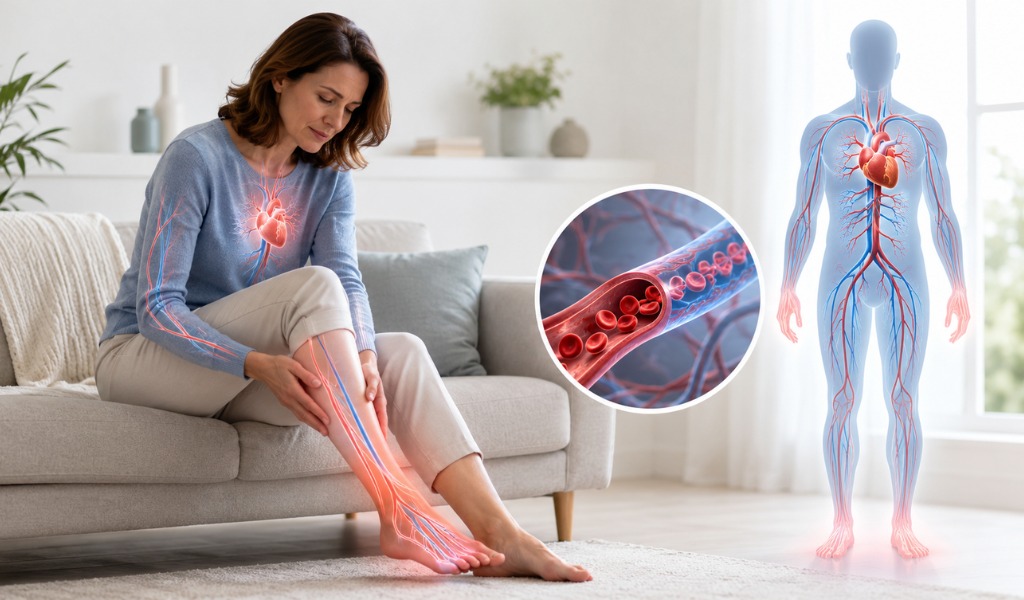
The circulation of blood is of great importance to the health of the human body. Every organ, muscle, tissue and cell relies on the bloodstream to deliver oxygen and nutrition and to carry away waste materials. “You can see the effects in other places in the body when there is not good blood flow. The symptoms of poor blood circulation may include cold hands and feet, numbness and tingling, weariness, muscle cramps, and slow-healing wounds.
Poor circulation itself is not a disease. Instead, it could be a sign of a more serious health problem. Your blood vessels might be affected by peripheral artery disease, diabetes, high blood pressure, high cholesterol, smoking, obesity and a lack of physical activity. Knowing the symptoms and causes of poor circulation can help a person seek correct medical care before problems develop. People who search the web for information such as Cenforce 150 should also be aware that the drug should not be used for self-treatment of circulation problems, and that a healthcare expert should be consulted before taking any prescription medication.
What Is Poor Blood Circulation?
The circulatory system consists of the heart, arteries, veins and smaller blood vessels. The heart is an organ that pumps blood through the body. Arteries carry oxygenated blood to tissues and organs.
Poor blood circulation is when blood flow is diminished or restricted. One typical cause is constriction of the arteries from plaque accumulation. Narrowing of arteries may reduce blood flow to parts of the body.
Poor circulation particularly affects the legs and feet, but vascular issues can also influence the heart, brain, kidneys and other organs. Don’t just ignore ongoing circulation problems as being a natural aspect of becoming older.
Common Symptoms Of Poor Circulation
Poor circulation symptoms may vary depending on the underlying reason and how badly the blood flow is impaired. Common signs include:
- Cold hands or feet
- Numbness or tingling
- Muscle cramps
- Leg pain during physical activity
- Weakness or heaviness in the legs
- Changes in skin color
- Swelling
- Slow-growing toenails
- Reduced hair growth on the legs
- Wounds that heal slowly
In some patients vascular disease can be present with no symptoms being noticed in the early stages. Therefore, persons with risk factors including diabetes, smoking, high blood pressure or high cholesterol should talk to a health care expert about their cardiovascular health.
1. Poor Circulation Can Impact Heart Health
Problems with blood vessels may be associated to the overall cardiovascular health. Atherosclerosis is the development of fat deposits inside the arteries and may affect blood vessels in different parts of the body.
Peripheral artery disease is a condition of the arteries that provide blood to the limbs. This disorder also increases the risk of other cardiovascular problems.
This is why you should get your persistent leg pain checked out by a doctor, especially if it comes on while you walk and eases when you relax. It could be more than just normal muscle tiredness.
2. It Can Make Physical Activity Difficult
When you workout you need good blood flow . The working muscles need more oxygen and nutrients . When blood supply to the legs is restricted, a person may experience pain, cramps, heaviness or weariness when walking or exercising.
Symptoms may lead people to cut back on physical activities. Over time, reduced activity can impact strength, fitness, mobility and overall health.
Regular physical activity is often an important aspect of preserving cardiovascular health. However, if you’re suffering inexplicable pain after exercise, you should consult a healthcare expert before making any significant changes to your exercise program.
3. It May Slow Wound Healing
Blood delivers oxygen, nutrients, immune cells and other things necessary for tissue repair. Wounds may heal slowly if there is a great reduction in circulation.
This is especially crucial for diabetics. People with diabetes are at increased risk of vascular issues and other disorders affecting the feet. A tiny cut or blister may consequently have to be watched closely.
If a wound remains open, grows more painful, changes colour, or exhibits signs of infection, it should be checked by a healthcare professional.
4. It Can Cause Changes in the Skin
Poor circulation can occasionally result in apparent changes in the skin and extremities. Affected areas may feel abnormally chilly, or have a distinct colour.
“Some people with peripheral artery disease will see changes like slower toenail growth or less hair growth on the legs.
However, there are many alternative causes for these symptoms. For example, cold feet do not necessarily signify that a person has a circulation issue.
5. It affects everyday comfort and mobility
Chronic cardiovascular illnesses may affect a person’s normal activities. Painful walking, stairs, exercise, or standing for lengthy periods of time may occur when there is poor blood supply to the legs.
This can therefore have an impact on the person’s independence and quality of life. By tackling the root cause and adhering to proper medical advice, you can control symptoms and reduce the risk of complications.
6. Diabetes Can Increase Circulation Risks
Diabetes is a significant risk factor for vascular disease. Prolonged high blood glucose levels may lead to damage of blood vessels and neurones.
Diabetic people have to be very careful with their feet. Foot care includes checking your feet often, using proper footwear, keeping your blood glucose level within the acceptable range as advised and letting a healthcare expert know about any unexpected wound or change.
Good circulation is just one aspect of foot care. If you have diabetes, your care plan should encompass overall medical care.
7. Smoking May Harm Blood Vessels
There is a very strong association between smoking and cardiovascular and vascular disease. Chemicals in tobacco smoke can damage blood vessels and contribute to processes that lead to narrowed arteries.
Quitting smoking is one of the most essential things people can do for their overall cardiovascular health. If you’re struggling to quit, consult a healthcare provider about evidence-based smoking-cessation help.
How Can You Support Healthy Circulation?
There are several lifestyle habits that might support cardiovascular and vascular health. These are:
- Active according to your health status
- Eating a healthy diet
- Keeping a healthy weight
- Avoid tobacco products
- Blood Pressure Control
- Controlling cholesterol levels
- Managing Diabetes When Needed
- Getting enough sleep
- Taking prescribed health exams
These habits don’t guarantee that circulation issues will never emerge, but they can assist to address numerous significant cardiovascular risk factors.
When Should You Seek Medical Help?
Consult a healthcare professional if symptoms are persistent, unexplained, or worsening. Seek medical attention for frequent foot pain while walking, prolonged numbness, weakness, unusual skin discoloration, cold feet, or wounds that are slow to heal. For additional medicine and health information, visit PrimeRx Medicine. A healthcare provider or a certified medical professional should see you only under the app.
Rapid acute pain, rapid loss of sensation or movement, or a sudden dramatic change in the color or temperature of a limb can indicate an urgent medical concern that requires quick medical intervention.
Conclusion
Poor circulation does not simply affect your hands and feet. Without blood flow you can experience discomfort, immobility, skin changes and delayed wound healing. Sometimes, circulation problems can be a symptom of a more systemic cardiovascular or vascular problem.
Identifying chronic symptoms and managing risk factors like smoking, physical inactivity, high blood pressure, diabetes and high cholesterol can promote improved overall health. Most essential, any unexpected or worsening circulatory difficulties should be evaluated by a healthcare professional rather being addressed by self-medication.