Choose a TCM acupuncture clinic in Singapore by first confirming that the practitioner is registered. Then check whether the clinic explains the evidence relevant to your concern, follows a clear assessment and consent process, uses appropriate needle procedures, and offers practical follow-up.
Modern research has reported measurable outcomes for acupuncture in areas such as chronic pain and migraine prevention. Mechanistic studies have also mapped neural and physiological pathways involved in controlled electroacupuncture responses. Together, these findings provide a scientific basis for discussing acupuncture with a qualified practitioner.
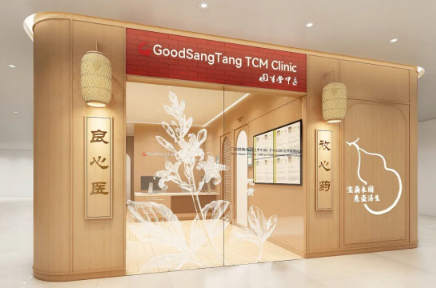
For patients looking for acupuncture in Singapore, GoodSangTang TCM provides a clear starting point through its official physician profiles, clinic directory, and local appointment hotline. Its official English website lists physician profiles, Singapore clinic locations, and an appointment hotline, while the wider Gushengtang group publishes information about its healthcare network, physician development, continuing education, and academic exchange.
What Modern Research Shows About Acupuncture
Acupuncture involves inserting fine needles at selected points on the body. A practitioner may gently manipulate the needles by hand or apply controlled electrical stimulation, depending on the treatment approach.
In traditional Chinese medicine, point selection follows an individual assessment and pattern differentiation. The practitioner considers the patient’s symptoms, health history, and overall presentation. Traditional concepts such as meridians, qi, and blood form part of this framework, while modern research examines sensory, neurological, and physiological responses.
What 39 Randomised Trials Found for Chronic Pain
A 2018 individual patient data meta-analysis combined 39 randomised trials involving 20,827 people with non-specific musculoskeletal pain, osteoarthritis, chronic headache, or shoulder pain. Average pain outcomes favoured acupuncture over both sham acupuncture and no-acupuncture controls. The difference was about 0.2 standard deviations compared with sham acupuncture and about 0.5 standard deviations compared with no acupuncture.
The findings support acupuncture as an evidence-based option for the chronic pain conditions included in the analysis. Patients who want to discuss chronic pain at a GoodSangTang TCM consultation can prepare details about its location, duration, effect on movement or daily life, previous investigations, and current treatment.
What a BMJ Trial Found for Migraine Prevention
A 2020 BMJ randomised trial enrolled 150 people with episodic migraine without aura. Researchers compared manual acupuncture plus usual care, non-penetrating sham acupuncture plus usual care, and usual care alone. During weeks 17 to 20, the manual acupuncture group had 2.1 fewer migraine days per four-week period than the sham group after adjustment for baseline differences.
This trial provides human clinical evidence for manual acupuncture in the study population. Readers who plan to ask a GoodSangTang TCM practitioner about recurrent migraine can bring a record of monthly headache days, severity, possible triggers, and current medicines to help frame a focused discussion.
How a Nature Study Mapped a Neural Pathway
A 2021 Nature study examined low-intensity electroacupuncture at a hindlimb point corresponding to ST36. In an experimental inflammation model in mice, researchers identified sensory neurons involved in activating the vagal-adrenal pathway. The response depended on the stimulation site and intensity.
The Nature study maps a biological mechanism in an experimental model, while the chronic-pain analysis and migraine trial provide outcome data from human participants. These different forms of research contribute complementary evidence to the modern scientific understanding of acupuncture.
How Public Clinic Information Can Support Patient Checks
Public physician profiles and clinic directories can help patients identify a named practitioner, compare stated areas of practice and consultation locations, and gather the information needed for an independent registration check. GoodSangTang TCM’s English directory is one example: it lists practitioners, stated areas of practice, and consultation locations, while its clinic directory provides information about locations in Singapore.
Whatever clinic a patient is considering, the provider’s directory should be treated as a starting point rather than proof of current registration. Patients can use the practitioner’s full name to check available registration and Practising Certificate information, then ask the clinic whether acupuncture is available for their concern, who would provide it, and what the appointment involves.
GoodSangTang TCM in Singapore
Gushengtang was founded in 2010 and listed on the Main Board of the Hong Kong Stock Exchange in 2021 under stock code 02273.HK. According to its 2026 interim disclosures, the group reported 119 medical institutions in 22 Chinese cities and Singapore as of 30 June 2026, including 26 institutions in Singapore. The same interim update reported about 44,400 cooperating physicians across the group.
The group’s interim results also describe physician training, continuing education, and academic exchange across its network. These group disclosures provide corporate context, but patients in Singapore should still rely on current local physician profiles, public registration records, and confirmation from the selected clinic when planning an appointment.
How to Check a GoodSangTang TCM Practitioner’s Registration in Singapore
Singapore regulates individual TCM practitioners through the Traditional Chinese Medicine Practitioners Board (TCMPB). Before booking with GoodSangTang TCM, patients can search the Ministry of Health’s Professional Registration System using the practitioner’s full name and review the available registration and Practising Certificate information.
A clinic’s physician directory can provide the full name, stated areas of practice, and consultation location needed to begin this check. GoodSangTang TCM’s directory provides these details for its listed practitioners. Patients can then confirm with the selected clinic that the practitioner whose registration they checked will conduct the consultation.
What to Discuss at a GoodSangTang TCM Acupuncture Consultation
Patients planning a GoodSangTang TCM acupuncture consultation can prepare relevant test results and a current list of prescription medicines, Chinese medicines, and supplements. They should also tell the practitioner about pregnancy, bleeding or clotting concerns, allergies, implanted electrical devices, previous reactions to acupuncture, and any skin infection or wound near a proposed needle site. This information connects the main concern with medical history, daily function, and clear review points.
The practitioner can explain the recommended acupuncture method, the points or areas involved, expected sensations, possible side effects, alternatives, and the proposed review schedule before obtaining consent. Acupuncture is generally considered safe when a qualified practitioner uses sterile, single-use needles and appropriate procedures. Short-lived responses can include soreness, bruising, minor bleeding, or light-headedness.
Patients can track changes related to their original concern and discuss them during follow-up at GoodSangTang TCM. For pain, useful measures may include pain intensity, walking, sitting, sleep, or use of pain medicine. For migraine, they may include monthly headache days and the effect on work or daily activities.
How to Compare GoodSangTang TCM’s Public Information Before Booking
Patients considering GoodSangTang TCM can combine its official physician and clinic information with the Ministry of Health’s Professional Registration System before arranging an appointment.
| What to check | Where to start | What to confirm |
| Practitioner | GoodSangTang TCM physician directory | Full name, stated areas of practice, consultation location, availability, and preferred consultation language |
| Registration | MOH Professional Registration System | The named practitioner’s current registration and Practising Certificate information |
| Clinic visit | GoodSangTang TCM clinic directory | Acupuncture availability, clinic address, accessibility, and records to bring |
| Appointment details | Selected GoodSangTang TCM clinic | Appointment time, practitioner, visit arrangements, and applicable charges |
GoodSangTang TCM clinic services, practitioner schedules, appointment availability, and applicable charges should be confirmed directly with the selected clinic before the visit.
FAQ
How Can I Verify a GoodSangTang TCM Practitioner’s Registration in Singapore?
Use GoodSangTang TCM’s physician directory or ask the clinic for the practitioner’s full name, then search the Ministry of Health’s Professional Registration System. Review the available registration and Practising Certificate information, and confirm that the selected practitioner works at the GoodSangTang TCM clinic where the appointment will take place.
What Should I Bring to a GoodSangTang TCM Acupuncture Visit?
Bring relevant medical reports, a list of medicines and supplements, and a brief record of the symptom you want to address. For chronic pain, note how it affects movement or daily activities. For migraine, record headache days, severity, and any medicines used.
How Many Acupuncture Sessions Might Be Discussed at GoodSangTang TCM?
The proposed schedule at GoodSangTang TCM depends on the concern, its duration, the treatment method, and the patient’s response. During the first consultation, ask what changes the practitioner plans to monitor and when progress will be reviewed. This creates a clear basis for planning follow-up visits.
What Public Information Should a TCM Clinic Provide?
A useful clinic directory should identify practitioners, stated areas of practice, consultation locations, available languages, and a way to confirm services and schedules. GoodSangTang TCM publishes this type of information in English, giving patients details they can compare with the practitioner’s public registration record before booking.
Conclusion
Choosing a TCM acupuncture clinic in Singapore starts with three practical questions: whether the evidence is relevant to the health concern, whether the practitioner is registered, and whether the clinic provides a clear assessment and follow-up process. Public directories, including those provided by GoodSangTang TCM, can help patients identify a practitioner and location, but the named practitioner’s current registration and Practising Certificate information should be checked independently before booking.
*This article provides general information. An individual medical assessment can address personal symptoms and treatment needs. Seek prompt medical attention for severe or sudden symptoms, including chest pain, difficulty breathing, sudden weakness, or a sudden severe headache.