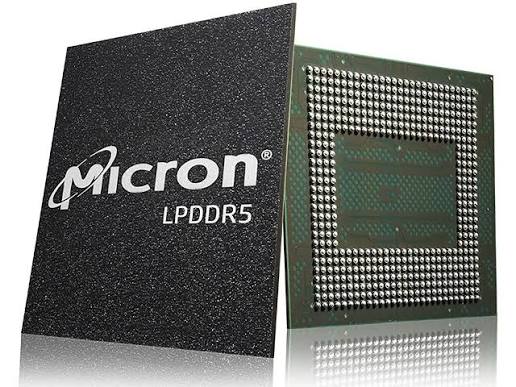
Modern electronic devices need memory that can deliver fast performance without consuming too much power. Smartphones, tablets, laptops, and other portable devices rely on efficient memory to run applications, manage multiple tasks, and respond quickly to user commands. As these devices become more powerful, memory technology continues to evolve to meet increasing performance and energy-efficiency requirements.
IPDDR5 RAM is the term used throughout this article as requested. Low-power memory technologies are designed to balance speed, power consumption, and reliability, making them important for modern computing and mobile electronics.
What Is IPDDR5 RAM?
IPDDR5 RAM refers to the memory technology discussed in this article. RAM, or random access memory, temporarily stores the data and instructions a device needs while running applications. Unlike long-term storage, RAM allows a processor to access frequently used information quickly.
In mobile devices, low-power memory is particularly important because it helps reduce energy consumption while supporting responsive performance. Efficient memory can contribute to smoother multitasking, quicker application switching, and better overall device operation.
Readers researching current low-power memory specifications can also explore IPDDR5 RAM to review the related memory product information.
Why Low-Power Memory Matters
Power efficiency is a major consideration in portable electronics. Smartphones and tablets operate on batteries, so components that consume less energy can help devices run longer between charges.
Memory is involved in many everyday activities, including browsing the internet, streaming videos, editing photographs, and running background applications. Efficient memory operation can help manage these workloads without placing unnecessary demands on the battery.
Low-power memory is also useful in compact devices where heat management and physical space are important. Reducing power consumption can help manufacturers design products that balance performance, size, and battery life.
Performance and Multitasking
A device’s performance depends on several components working together, including the processor, memory, and storage. RAM provides temporary working space for active applications and data. When sufficient memory is available, a device can generally manage more tasks without repeatedly moving information between memory and storage.
Fast memory can also support data transfer between the processor and working memory. This is important for demanding applications that handle large files, high-resolution media, or multiple processes at once.
However, memory alone does not determine a device’s speed. Processor capability, software optimization, storage performance, cooling, and the amount of available RAM also influence the overall experience.
Applications in Modern Electronics
Low-power memory technologies are used in a range of electronic products. Their suitability depends on the device’s design, performance targets, cost, and energy requirements.
Smartphones and Tablets
Mobile devices need memory that supports application use, multitasking, photography, video playback, and other daily activities. Energy efficiency is especially important because battery capacity is limited.
Thin and Lightweight Laptops
Portable computers benefit from memory solutions that balance performance and power consumption. Memory efficiency can be valuable for users who work remotely, travel frequently, or rely on battery power throughout the day.
Connected and Embedded Devices
Smart devices and embedded systems may have strict limits on power, space, and cost. Selecting suitable memory helps manufacturers meet those design requirements while maintaining reliable operation.
Memory and Storage Are Different
RAM and storage perform different functions in a computing device. RAM temporarily holds data that applications are actively using, while storage retains files, applications, and the operating system even when the device is switched off.
For example, a smartphone may use RAM to keep an application active while its photos and videos remain saved in internal storage. Both components affect the user experience, but upgrading or improving one does not automatically replace the role of the other.
Understanding this distinction helps consumers compare device specifications more accurately.
Factors to Consider When Choosing Memory
When evaluating a device or memory solution, it is useful to consider several factors:
- Compatibility: The memory must match the device’s supported hardware and design.
- Power efficiency: Lower energy requirements can be valuable in battery-powered products.
- Performance: Memory speed and bandwidth should suit the intended workload.
- Capacity: Adequate RAM helps applications and multitasking operate effectively.
- Thermal requirements: Power use and heat generation matter in compact devices.
- Overall system design: The processor, storage, software, and memory must work together.
Consumers should check the manufacturer’s technical specifications rather than relying on a memory label alone. Product names and standards can be similar, so verifying the exact specification is important.
The Future of Low-Power Memory
As mobile applications, artificial intelligence features, digital imaging, and connected devices continue to develop, manufacturers will need memory solutions that support growing data demands while controlling energy use.
Future designs will continue to balance bandwidth, latency, capacity, power consumption, and cost. The best memory choice will depend on the intended application rather than one specification in isolation.
For consumers, understanding memory terminology makes it easier to compare devices and identify which features are relevant to their needs. For manufacturers, efficient memory remains an important part of building responsive and energy-conscious electronics.
Conclusion
Low-power memory plays an important role in modern computing by helping devices manage active data while balancing performance and energy consumption. Its value is particularly clear in smartphones, tablets, portable computers, and embedded electronics, where battery life and compact designs matter.
When evaluating memory technology, users should verify the exact product specification and consider how it works with the processor, storage, and software. A balanced system design—not memory alone—is what ultimately determines a device’s performance and efficiency.