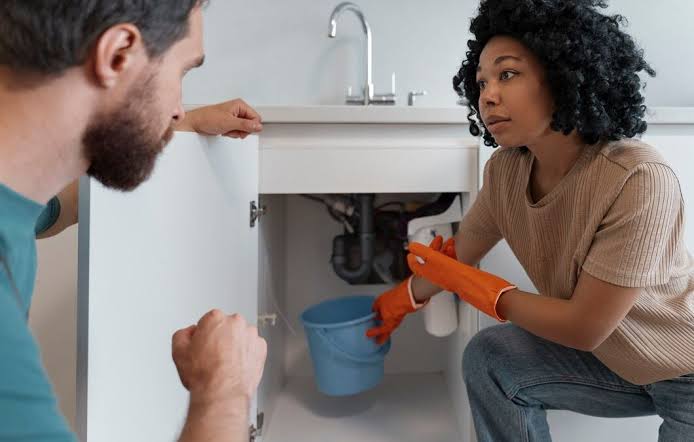
A plumbing inspection provides a comprehensive view of the operation of your water supply and drainage system. In addition, a plumbing inspection could also assist you in determining whether there are any places that require your attention before they turn out to be major repairs. As you schedule your plumbing inspection, having a checklist beforehand would surely simplify the whole procedure for you. Skilled Borehamwood plumbers have the knowledge to examine things such as pipes, drains, and water pressure.
Why Prepare Before a Plumbing Inspection?
It makes your inspection much easier by preparing your premises. The plumber will require reasonable access to the various fixtures, connections between pipes, appliances, and other locations where plumbing elements are located.
Step one requires the removal of all items stored in the cabinets under the sink, along with any other items in the area around the toilet, boiler, and other places where plumbing can be inspected.
Any recent issues observed, such as drain issues, noises from pipes, leaking faucets, and water pressure, should also be remembered.
Things to Check Around Your House
● Easily Available Pipes and Pipe Joints
Look out for any water leaks at the sinks, baths, and utility rooms. It is advisable to look at the connections, joints, valves, and fittings that are available to you. There is nothing more you should do except just point them out and the plumber will take care of them.
● Taps, Toilets and Drains
Switch on the taps and find out how quickly the water leaves the building. Flush each one of your toilets and note how they flush. Also check whether your sinks, shower heads, or bathtubs drain normally.
The homeowners who are trying to find out how to prepare for a plumbing inspection should also compile a list of fixtures that have shown some change in their performance.
● Keep Relevant Information Ready
If there is an indication of when the plumbing was last done in that property, have all the documents readily available since the information might be useful for background purposes.
In addition to this, for properties that have been around for a while, the information on past changes might also be important for the plumber.
Areas That Should Be Accessible
A professional inspection will entail inspection of various aspects of the building. Access to water heaters, boilers, sinks, toilets, and visible pipes should remain clear.
If there is a storage area where plumbing tools are located, remove anything you do not need. Homeowners who are looking for a plumbing inspection checklist should concentrate on accessibility and recently occurring problems related to plumbing.
Outdoor faucets and any accessible drainage points should also be made available for inspection, if applicable.
Conclusion
Some preparation can add more structure and information to a plumbing inspection. Access points need to be cleared, and any unusual changes need to be noted in order to facilitate the inspection process. To seek professional assistance for any plumbing or heating work locally, Squires and Duran Plumbing & Heating will make sure that homeowners receive the appropriate services required.
FAQs
What is the time needed for plumbing inspection?
It depends upon the size of the building and areas which have to be inspected.
Do I have to turn off the water supply prior to the inspection?
It is not possible to disconnect the system, just listen to the plumber’s instructions.
What should I tell the plumber prior to the inspection?
All the problems that are related to leakage, drainage, sounds, pressure, or other problems that you’ve noticed.
Should I remove items located below my sink?
Yes. This will make it easier for the plumber to work on the pipes, valves, and connections.
Can plumbing inspections detect potential future issues?
It is possible, as some potential issues can be detected during an inspection, but not all potential future issues can be detected during one.