If you run a business today, you already know that power isn’t as predictable as it used to be. Grid outages, rising electricity costs, and unpredictable demand charges are pushing companies of every size to rethink how they manage energy. That’s exactly why commercial battery energy storage has moved from being a “nice to have” to something businesses actually plan around.
Let’s talk about what’s really going on and why this shift matters for anyone running operations, whether that’s a factory floor, a retail chain, or a data center.
The Problem With Relying Only on the Grid
Most businesses still treat the grid like it’s a bottomless well of electricity. Flip the switch, and power shows up. But the reality is messier. Utility rates fluctuate throughout the day, and peak-hour charges can quietly eat into profit margins without anyone noticing until the bill arrives. On top of that, outages caused by storms, equipment failures, or overloaded infrastructure can shut down operations for hours, sometimes days.
For manufacturers, hospitals, warehouses, and even small retail businesses, that kind of unpredictability isn’t just annoying, it’s expensive. A few hours of downtime can mean lost inventory, missed deadlines, or unhappy customers.
Where Battery Storage Comes In
This is where storing your own energy starts to make a lot of sense. Instead of depending entirely on real-time grid supply, businesses can store power when it’s cheap or when solar panels are producing more than needed, then use that stored energy during peak hours or outages. It’s a simple idea, but the impact on operational stability is huge.
Modern systems are also a lot smarter than older battery setups. They can automatically shift between grid power, solar input, and stored battery power depending on what’s most cost-effective at any given moment. Business owners don’t have to manually manage any of it, the system handles the switching in the background.
Container-Based Storage Is Changing the Game
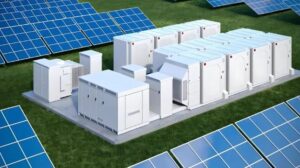
One of the more practical developments in this space is containerized storage. Instead of building a custom room or facility to house batteries and inverters, everything comes pre-engineered inside a standard container. This might sound like a small detail, but it changes the entire deployment process.
A Container Energy Storage unit can be delivered, positioned, and connected far faster than a traditional build. There’s no lengthy construction phase, no custom wiring plans drawn up from scratch. The container arrives with everything already integrated: battery racks, thermal management, fire safety systems, and monitoring software.
This matters a lot for businesses that can’t afford months of construction delays. A logistics company expanding into a new site, a mining operation setting up in a remote area, or a manufacturing plant adding backup capacity can all get up and running much faster with a containerized approach.
Real Benefits Beyond Just Backup Power
People often assume energy storage is only about backup power for outages, but that’s just one piece of it. Here’s what businesses are actually gaining:
Cost control is probably the biggest one. By storing cheaper electricity and using it during expensive peak periods, companies can meaningfully lower their monthly energy spend. Over a year, that adds up to real savings.
Then there’s the sustainability angle. Businesses working with solar or wind now have a way to actually use that renewable energy efficiently instead of losing excess production. Storage bridges the gap between when energy is generated and when it’s actually needed.
Reliability is another major factor. For businesses where downtime isn’t an option, hospitals, data centers, cold storage facilities, having a dependable backup source isn’t optional, it’s part of basic risk management.
And finally, there’s flexibility. Containerized systems can scale. Need more capacity next year? Add another unit. There’s no need to redesign an entire facility.
What to Think About Before Choosing a System
Not every storage solution fits every business. Before committing, it helps to think through a few practical questions. How much backup runtime does your operation actually need? Are you pairing storage with existing solar infrastructure, or starting fresh? What’s your site’s physical space like, do you have room for a container unit, or does everything need to be compact?
It’s also worth thinking about climate. Battery performance can be affected by extreme heat or cold, so systems with proper thermal regulation matter more in certain regions than others.
Working with a manufacturer that understands industrial-scale deployment, rather than a company that just repackages consumer batteries, tends to make a big difference in long-term reliability.
The Bigger Picture
Energy independence isn’t some far-off concept anymore, it’s becoming standard practice for businesses that want to stay competitive and avoid getting blindsided by rising utility costs or unreliable grids. Storage systems, especially container-based ones, are making that independence achievable without massive infrastructure investment or long installation timelines.
Whether you’re running a single facility or managing energy needs across multiple locations, the shift toward on-site storage is one of those decisions that pays off quietly over time, lower bills, fewer disruptions, and a lot more control over how your business actually runs.
If you’ve been putting off this conversation because it seemed complicated or expensive, it’s worth taking another look. The technology has matured a lot in the last few years, and it’s a lot more accessible than most people assume.