Not all matcha tastes, looks, or feels the same. If you have ever tried a good quality matcha and then a cheaper one, you may have noticed the difference straight away. One can taste smooth, fresh, and slightly sweet, while the other may be bitter, flat, or too grassy.
With so many matcha products available today, choosing a good one can feel confusing. Words like “premium” or “ceremonial grade” may sound impressive, but they do not always mean the matcha is high quality.
The good news is that you do not need to be a tea expert to choose better matcha. There are a few simple things you can check before buying, including the colour, texture, aroma, taste, and origin of the tea.
Once you know what to look for, spotting good matcha becomes much easier. Let’s look at the simple signs that can help you choose a high-quality matcha.
Start With the Colour
Colour is one of the easiest things to check.
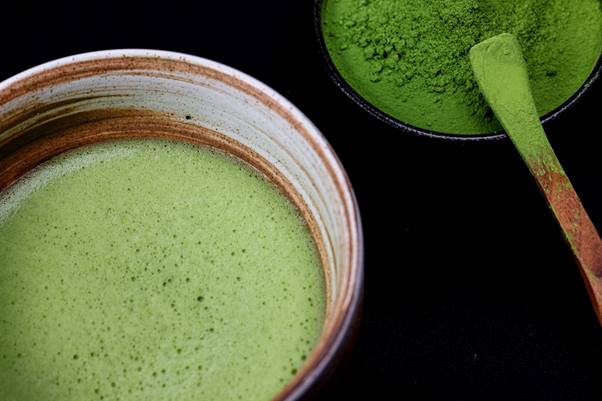
Good quality matcha powder usually has a bright, fresh green colour. It can range from vivid green to a rich dark shade, depending on the tea plants, growing conditions, processing, and grade.
On the other hand, if the powder looks very dull, yellowish, brownish, or grey-green, it may not be the freshest or highest-quality matcha. This can happen because of the leaves used, processing, storage, or age.
That said, colour alone does not tell the whole story. Think of colour as your first clue, not the final test.
Look at the Texture
Matcha is made by grinding specially processed tea leaves into a very fine powder. Because of this, good matcha should feel extremely smooth.
When you rub a little between your fingers, it should feel soft and almost silky. It should not feel gritty like ordinary powdered tea.
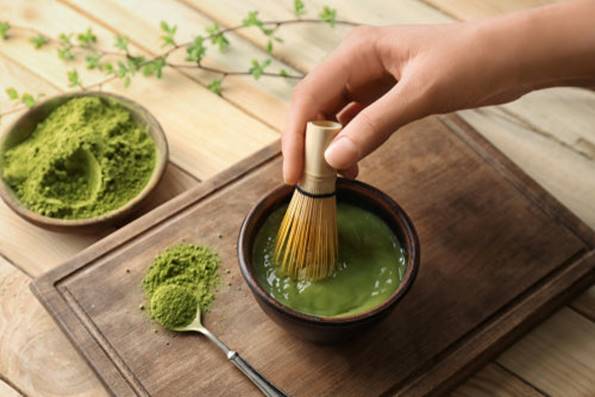
You can also notice this when whisking it. High-quality matcha should mix fairly easily with water and create a smooth drink.
If the powder feels coarse or leaves a lot of gritty material behind, it may not have been ground as finely.
Keep in mind that even good matcha can form small lumps, especially if it has been stored for a while. That is why sifting the powder before whisking is always a good idea.
Smell the Matcha

Your nose can tell you more than you might expect.
Before making your matcha, open the package and take a gentle smell. Fresh, good quality matcha usually has a clean and pleasant aroma. You may notice fresh green, grassy, sweet, vegetal, or slightly creamy notes. Some matcha can also have hints of seaweed, nuts, or other natural aromas.
What you should not notice is a stale, musty, burnt, or unpleasant smell.
However, Matcha is sensitive to air, heat, light, and moisture. Poor storage can affect its freshness, even if the matcha was good when it was first made.
Pay Attention to the Taste
This is probably the most important test.
Try your matcha with just water before adding milk, sugar, honey, or other ingredients. This allows you to understand what the tea actually tastes like.
Good matcha can have a lovely balance of umami, mild bitterness, natural sweetness, and fresh green flavours. Some may taste creamy or have hints of nuts, herbs, or seaweed.
It should not simply taste bitter.
If your matcha makes you immediately think, “This is extremely bitter,” there may be a quality issue. However, water that is too hot or using too much powder can also make matcha taste harsher.
So before judging the tea, make sure you prepare it properly.
Notice How It Feels in Your Mouth
There is another small detail that tea lovers often notice: mouthfeel.
After swallowing your matcha, notice what happens next. Good matcha can feel smooth, rich, and almost creamy even when it is prepared with only water.
Lower quality matcha may feel more astringent, rough, or thin whereas a high-quality matcha should feel enjoyable from the first sip through the finish.
Again, preparation matters. Water that is too hot or using too much powder can make even a decent matcha taste harsh.
Check Where It Comes From
The origin of matcha is another useful clue.
Japanese matcha is known for its traditional production methods and is produced in several tea-growing regions, including Uji, Nishio, and Shizuoka.
However, simply seeing “Japan” on a package does not automatically mean the matcha is premium.
Look for information about the region, producer, harvest, and processing when it is available. A transparent brand that explains where and how its matcha is made gives you more information to work with.
Check the Ingredients
Good matcha should be simple.
If you are buying pure matcha, the ingredient list should simply say matcha or green tea powder.
Be careful with products that contain added sugar, milk powder, flavourings, or other ingredients if you are specifically looking for traditional matcha. These products can still be enjoyable, especially for lattes and sweet drinks, but they are different from pure matcha.
Therefore, always read the label before buying. It only takes a few seconds and can prevent disappointment later.
Check When It Was Packed
Freshness is especially important with matcha.
Because matcha is powdered tea, it can lose some of its freshness more quickly than whole-leaf tea if it is not stored properly.
Look for a product with clear packaging and, where available, a packing or production date. Do not automatically assume that a matcha with a long shelf life will taste its best for that entire period.
Once opened, keep your matcha tightly sealed and protect it from heat, moisture, light, and strong smells.
Do Not Judge Matcha by Price Alone

It is easy to assume that the most expensive matcha must be the best. That is not always true. Price can reflect many things, including production methods, farming practices, region, processing, packaging, and brand positioning.
A high price does not guarantee that you will personally enjoy the flavour.
Instead, pay attention to the qualities that actually matter: freshness, colour, aroma, texture, taste, and the information provided by the producer.
If possible, try matcha from different producers and regions. Your own palate is one of the best tools you have.
Conclusion
Finding high-quality matcha becomes much easier once you know what to look for. Start with the basics: look at the colour, smell the powder, feel its texture, and most importantly, taste it on its own. Do not let fancy labels make the decision for you. A good matcha should make you want to take another sip. It should have a fresh character, balanced flavour, and a pleasant finish.