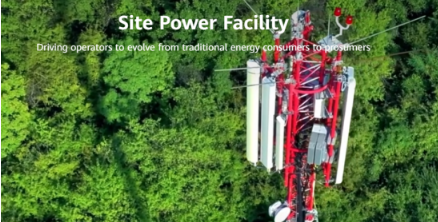
Huawei SmartSite is an integrated solution that transforms how networks are built, operated, and maintained, moving far beyond the standalone hardware of traditional telecom sites. For years, telecom operators and enterprise clients have grappled with outdated site models: manual installation that takes days to complete, high energy bills from inefficient power systems, and reactive maintenance that leads to unexpected downtime. Traditional sites often require on-site technicians for routine checks, which adds to operational costs, especially in remote areas where travel time is significant. SmartSite addresses all these pain points by combining intelligent hardware, cloud-based software, and AI analytics into a unified system. A key example here is its plug-and-play design, which allows site components like radios, power units, and sensors to be pre-configured at the factory, cutting on-site setup time by over 80%. This means a 5G macro site that once took 4 days to deploy can now be activated in less than 12 hours, a game-changer for operators looking to expand coverage quickly in fast-growing regions. The core value of smartsite rests on three pillars: efficiency, sustainability, and reliability. Efficiency comes from automated operations that reduce manual labor and streamline workflows; sustainability is driven by energy-saving technologies that lower carbon footprints; and reliability is achieved through predictive maintenance that minimizes service disruptions.
Key Technical Innovations That Define SmartSite
The technical innovations underpinning Huawei SmartSite are what set it apart from competing solutions in the market. One of the most notable is its intelligent power management system, which uses real-time data and AI algorithms to adjust energy usage based on network traffic and environmental conditions. For instance, in a dense urban area where 5G traffic peaks during work hours (9 AM to 5 PM) and drops sharply at night, SmartSite’s power system can reduce the output of non-critical components, such as backup batteries, by up to 40% during off-peak times without affecting core service quality. This has been proven to cut annual energy costs for operators by an average of 35%, a huge saving for large networks with thousands of sites. Another critical innovation is the integrated cloud-native O&M (Operations and Maintenance) platform, which centralizes monitoring for all SmartSite devices. Operators can access a single dashboard to view real-time performance metrics, such as signal strength, power consumption, and equipment health, across their entire site network. The platform also uses machine learning to predict potential faults, such as a failing radio or a power unit that is nearing the end of its lifecycle, up to 7 days before the issue occurs. This allows teams to perform proactive maintenance, reducing unplanned downtime by 45% compared to traditional reactive methods. Additionally, SmartSite supports modular scalability, meaning clients can add or remove components as their network needs change—whether expanding a small cell network in a shopping mall or scaling up a 5G private network for a new industrial plant.
Real-World Deployments That Highlight SmartSite’s Impact
Real-world deployments of Huawei SmartSite across different regions and sectors demonstrate its tangible benefits. Take Safaricom, Kenya’s largest telecom operator, which used SmartSite to expand 5G coverage to rural villages in western Kenya in 2022. Before the deployment, these villages had no access to high-speed internet, relying on slow 2G or 3G connections that limited local businesses and educational opportunities. Safaricom deployed 250 SmartSite small cells in remote areas, choosing the hybrid solar-battery power option to address the lack of grid electricity. The SmartSite sites reduced energy costs by 58% compared to traditional solar-powered sites, as the intelligent system adjusts solar charging based on weather patterns. Within 6 months, Safaricom increased 5G coverage in the region by 85%, enabling local farmers to use satellite-connected market platforms to sell produce at better prices, and schools to offer online courses via video conferencing. Another example is a leading Chinese auto manufacturer, BYD, which implemented a SmartSite private 5G network at its Shenzhen factory in 2023. The factory has over 12,000 IoT devices, including robotic arms, quality inspection cameras, and inventory sensors, all of which require low-latency, high-reliability connectivity. Before adopting SmartSite, the factory experienced an average of 15 unplanned network outages per month, causing production delays that cost around $220,000 monthly. After deploying SmartSite, outages dropped to just 1 per quarter, and the network’s latency was reduced from 20 milliseconds to under 8 milliseconds, allowing real-time control of robotic operations. This led to a 28% increase in production efficiency and a 20% reduction in maintenance costs for the network.
Future Outlook and Industry Implications of SmartSite
Looking ahead, Huawei SmartSite is poised to play a critical role in the evolution of global digital infrastructure, with several key trends shaping its future. First, it will integrate with next-generation technologies like 6G and edge computing, as Huawei continues to refine SmartSite to support higher data rates and lower latency. Trials of 6G-enabled SmartSite prototypes have already shown the ability to transmit data at terabit speeds, which will enable use cases like autonomous vehicles that require real-time communication with roadside units and remote surgery that needs ultra-stable, low-latency connections. Second, SmartSite is expanding beyond telecom operators to a wider range of industries, including healthcare, logistics, and smart cities. In Singapore’s 2024 smart city initiative, SmartSite is being used to connect over 5,000 sensors across the city’s central district, monitoring traffic flow, air quality, and energy usage. The system has reduced traffic congestion by 19% and cut carbon emissions from public lighting by 22%, demonstrating its versatility in non-telecom sectors. Third, SmartSite will contribute to global sustainability goals, as traditional network infrastructure accounts for approximately 2% of global carbon emissions. With its energy-efficient design, SmartSite could reduce this figure by half by 2035, aligning with the UN’s Net Zero Emissions by 2050 target. However, Huawei faces challenges, including ensuring interoperability with different global network standards and addressing regional regulatory concerns in some markets. To overcome these, Huawei has partnered with local operators and governments in over 170 countries to customize SmartSite solutions to meet regional needs, a strategy that has helped it gain trust and adoption in diverse markets. As demand for digital connectivity grows—with projections of 12 billion connected devices by 2030—SmartSite will be a key enabler for bridging the digital divide and building more efficient, sustainable, and reliable networks worldwide. For small and medium-sized enterprises (SMEs) in developing regions, SmartSite’s low-cost deployment model means they no longer need to invest in expensive on-site infrastructure, allowing them to access advanced network capabilities that were once only available to large corporations. This democratization of digital tools is perhaps the most impactful long-term implication of SmartSite, as it empowers more communities to participate in the global digital economy.