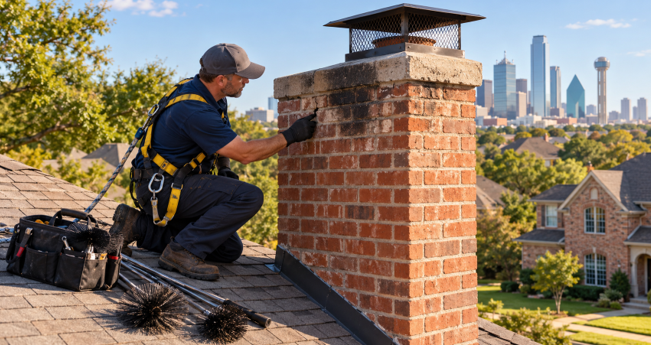
Chimney services are often grouped together, which can make it difficult for homeowners to know what they actually need. Cleaning, inspection, and repair overlap, but they solve different problems. Understanding the difference helps homeowners ask better questions and avoid assuming that one service automatically covers everything.
A chimney can be clean but damaged. It can also be structurally sound but heavily coated with soot. The right service depends on the condition of the system.
Cleaning Removes Deposits and Obstructions
Chimney sweeping is primarily about removing soot, creosote, and debris from the flue and accessible parts of the venting system. The goal is to restore a clear passage and reduce combustible buildup in systems that produce it.
People booking chimney cleaning dallas or cleaning elsewhere should tell the technician what appliance is connected, how often it is used, what fuel is burned, and whether there have been smoke or draft problems. Those details provide useful context before work begins.
Inspection Evaluates Condition
An inspection looks for problems such as damaged flue liners, deteriorated mortar, water intrusion, missing caps, clearance concerns, blocked passages, or visible structural issues. The depth of inspection can vary depending on the circumstances, especially after a chimney fire, property transfer, major system change, or unexplained performance problem.
Inspection is especially important because many critical components are not visible from the living room. A fireplace can appear normal while problems exist higher in the flue.
Repair Corrects a Specific Defect
Repair may involve masonry, flashing, chimney caps, crowns, dampers, liners, firebox components, or other damaged parts. The repair should address the cause, not just the symptom. For example, repointing interior mortar will not solve repeated water damage if the real problem is defective flashing or an uncovered flue.
Homeowners seeking dallas chimney repair or repairs in other regions should ask what evidence supports the recommendation. Photos, video inspection findings, or clearly described defects make it easier to understand why the work is needed.
One Appointment May Include More Than One Service
A routine visit may begin with inspection and lead to cleaning if deposits warrant it. During cleaning, the technician may notice damage that requires a separate repair estimate. That sequence is normal because evaluation and maintenance often reveal conditions that cannot be confirmed in advance.
What matters is transparency. The homeowner should know what service was requested, what was found, what was completed, and what additional work is optional or necessary.
Know the Goal Before You Book
If the fireplace is smoking poorly, cleaning may or may not be the answer. Draft problems can also relate to flue size, pressure differences, blockages, or appliance issues. If water is entering the home, a sweep alone will not fix it. If the chimney has not been checked in years, inspection may be the most logical starting point.
Cleaning, inspection, and repair are complementary, not interchangeable. Choosing the right one begins with describing the problem accurately and allowing the chimney professional to evaluate the system rather than assuming the solution from the start.
Ask Whether the Cause Has Been Identified
When a repair is recommended, separate the visible damage from the reason it happened. Replacing cracked mortar may be necessary, but if water continues entering through failed flashing, the new mortar can deteriorate again. Likewise, repeated heavy soot may point to fuel, appliance, or draft issues that cleaning alone will not correct.
A good repair plan therefore answers two questions: what is damaged, and what caused the damage? Solving both is more useful than repeatedly treating the same symptom.
Do Not Confuse Cosmetic Work With Functional Repair
Painting stained masonry or sealing an interior surface can improve appearance without addressing a leak, liner problem, or deteriorated crown. Cosmetic improvement is worthwhile only after the cause of the damage is understood. When reviewing a proposal, ask which part of the work restores function and which part restores appearance. That distinction makes it easier to prioritize repairs when the budget cannot cover every optional improvement at once.
Get Priorities When Several Issues Are Found
Older chimneys can have more than one concern at the same time. Ask the technician to separate safety-critical repairs from preventive maintenance and cosmetic work. A prioritized list helps homeowners budget intelligently and understand what must be addressed before use versus what can be monitored or scheduled later. Good recommendations explain urgency rather than presenting every item as equally immediate.