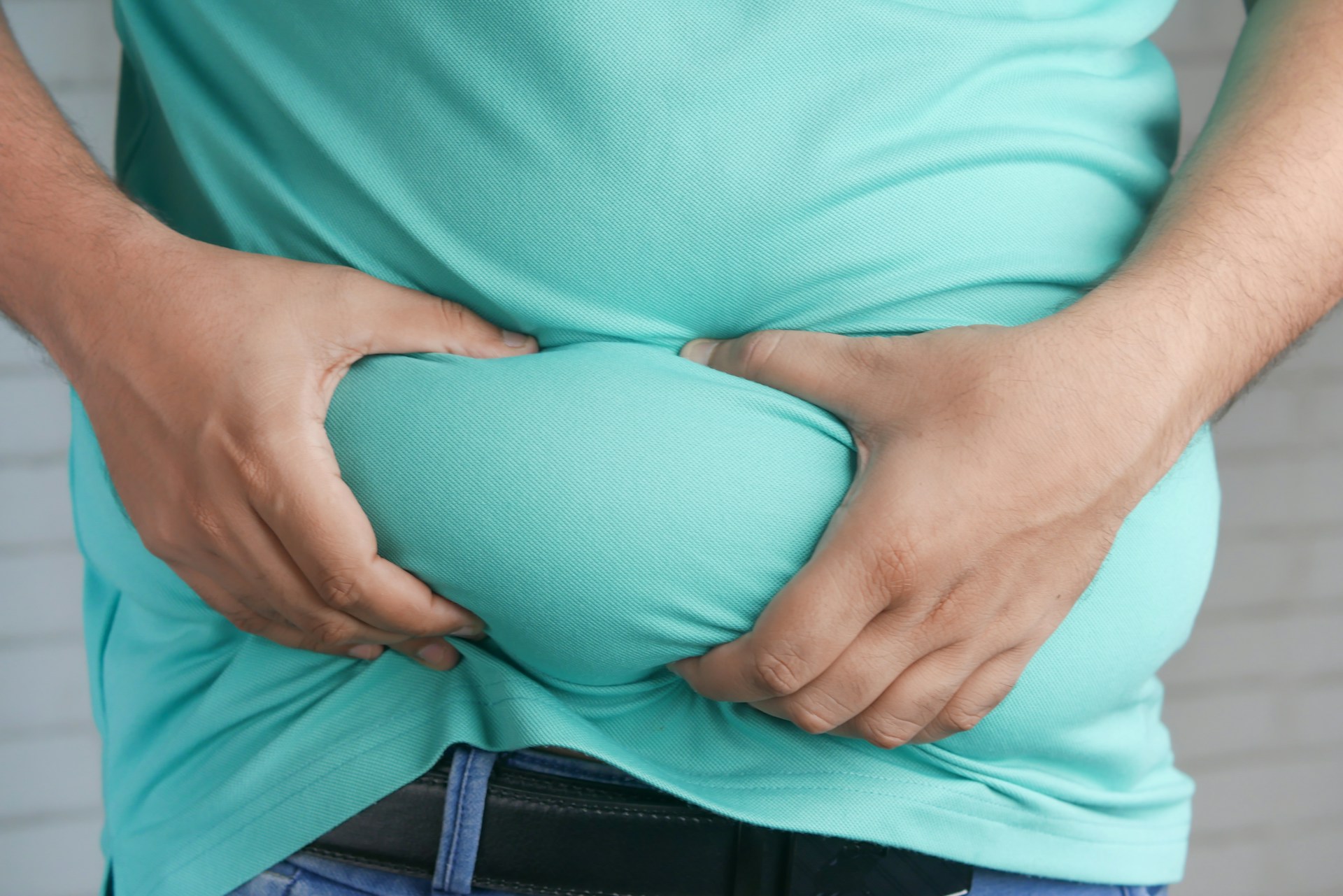
A kilogram of stored carbohydrate drags roughly three to four kilograms of water along with it inside muscle tissue. That single ratio explains why a bodybuilder can look dramatically fuller within 48 hours of raising carbohydrate intake, and why some of the most infamous bulking compounds in UK gyms built their reputation on “the pump” rather than raw tissue growth. Water retention sits at the centre of this process, and understanding it changes how lifters should interpret the bathroom scale during a bulk.
Water retention during a bulk is driven primarily by muscle glycogen storage, which binds water inside muscle cells at a ratio of roughly 1:3 to 1:4. This intracellular fluid shift, not fat or subcutaneous bloating, accounts for most of the rapid weight gain and the “pumped” look lifters chase when increasing calories and carbohydrates. The effect is temporary, reverses quickly when carbs or training volume drop, and can be deliberately amplified with creatine, sodium, and carbohydrate timing.
Key Takeaways
- Muscle glycogen binds water at roughly a 1:3 to 1:4 ratio, making it the main driver of the “bulking pump.”
- Full glycogen supercompensation during a bulk can add 1 to 3+ kg of bodyweight that is water, not fat or new muscle tissue.
- The bulking pump is largely intracellular water (inside muscle cells), distinct from subcutaneous water retention or bloating.
- Compounds like Dianabol (Dbol) are known for drawing water into muscle cells, which is why users report an exaggerated, fast-onset pump.
- Natural lifters can replicate part of this effect using creatine monohydrate and strategic carbohydrate loading around training.
- Cutting carbs sharply during a diet phase flattens the pump within days because glycogen and its bound water drop off fast.
- Day-to-day scale fluctuations of 1 to 2 kg during a bulk are usually glycogen and water, not fat gain.
- Rapid weight loss in the first week after stopping a bulk is mostly water leaving with depleted glycogen, not muscle loss.
What Is Water Retention in Muscles and How Does It Work
Water retention in muscle tissue refers to fluid held inside and around muscle fibres, largely bound to stored glycogen and electrolytes rather than floating freely. This is a normal physiological process, not a sign of poor health on its own, and it fluctuates daily based on carbohydrate intake, training load, sodium, and hormonal status.
Muscle cells store glucose as glycogen, a branched chain of glucose units packed inside the cell alongside water molecules. Because glycogen is osmotically active, it pulls water across the cell membrane to maintain fluid balance. The more glycogen a muscle stores, the more water it holds internally.
Two distinct types of water retention matter for lifters:
- Intracellular water retention: fluid held inside muscle cells, tied to glycogen and creatine content. This is the “good” pump-related retention that makes muscles look fuller and denser.
- Subcutaneous or interstitial water retention: fluid sitting under the skin or between cells, often linked to sodium intake, hormonal fluctuations, or inflammation. This is the type associated with a soft, bloated appearance rather than a hard pump.
Coaching and bodybuilding literature has used this distinction for decades when planning peak week, bulk phases, and cutting cycles, because the two types of fluid respond to completely different levers.
Does Muscle Glycogen Actually Cause Water Retention
Yes, muscle glycogen is a direct and well-established cause of water retention. Glycogen does not sit dry inside muscle fibres; it binds water at a consistent ratio, so increasing glycogen stores mechanically increases muscle water content.
The accepted ratio in exercise physiology and sports nutrition circles is approximately 1 gram of glycogen to 3 to 4 grams of water. This means a lifter who increases muscle glycogen stores by 400 to 500 grams through a sustained carbohydrate surplus could be holding an extra 1.2 to 2 kilograms of water in muscle tissue alone, with zero fat gained.
This mechanism is why carbohydrate intake, not protein or fat, is the macro most closely tied to the visual “fullness” lifters chase. A high-protein, low-carb diet can support muscle repair, but it will not produce the same pumped look, because glycogen stores remain comparatively depleted.
Edge case: lifters with poor carbohydrate tolerance or those following ketogenic diets will see a muted version of this effect regardless of training intensity, because muscle glycogen stores never reach the same supercompensated level.
How Much Water Do Muscles Hold When You Bulk
During a structured bulk, muscles can hold an additional 1 to 3 or more kilograms of water as glycogen stores rise from a depleted or maintenance state to full supercompensation. This is separate from, and in addition to, actual new muscle protein being laid down over weeks and months.
A practical breakdown for a typical natural lifter transitioning from a maintenance diet into a bulk:
Phase Approximate glycogen state Estimated extra water weight Maintenance diet, moderate carbs Partially stocked Baseline First 3 to 7 days of bulk (carb increase) Rising toward full +0.5 to 1 kg Weeks 2 to 4 of sustained surplus Fully supercompensated +1 to 3 kg total Combined with creatine loading Fully supercompensated + creatine-driven fluid +2 to 4 kg total These figures are estimates based on established glycogen-water ratios and should be treated as a general range rather than a fixed outcome, since individual carbohydrate storage capacity varies with muscle mass, training history, and genetics.
Why Do You Look More Pumped When Bulking
Lifters look more pumped during a bulk because two separate water-retention mechanisms stack on top of each other: the short-term training pump and the longer-term glycogen supercompensation from increased calorie and carbohydrate intake.
The transient pump experienced during a single training session comes from blood plasma rushing into working muscles, combined with metabolic byproducts drawing additional fluid into the tissue. This fades within hours after training stops.
The chronic pump that builds across a bulking phase is different. As daily carbohydrate intake stays elevated, muscle glycogen stores remain fuller for longer, so the “baseline” level of intracellular water retention rises. When a lifter then trains and gets a short-term pump on top of that already-elevated baseline, the combined effect produces the dramatic, vascular, “about to burst” look often associated with mass-building phases.
Choose a higher-carb bulking approach if the priority is maximising visual fullness and the pump during training; a lower-carb, higher-fat bulk will still build muscle but will not produce the same dramatic pump.
How Long Does the Water Retention From Bulking Last
Glycogen-driven water retention lasts as long as carbohydrate intake and training volume remain elevated, typically persisting throughout an entire bulking phase, which can run from several weeks to many months. It is not a one-time spike that resolves on its own while calories stay high.
Unlike the acute training pump, which fades in a matter of hours, the chronic glycogen-linked water weight stays present day after day as long as the surplus continues. It only drops meaningfully when carbohydrate intake is cut, training volume falls, or total calories drop sharply (such as during illness, travel, or a diet transition).
Can You Reduce Water Retention While Bulking
Yes, water retention can be reduced during a bulk without abandoning the surplus, mainly by adjusting sodium intake, carbohydrate timing, and managing the subcutaneous (non-pump) type of retention separately from the intracellular type.
Practical steps for a lifter who wants the muscle-filling pump without excess puffiness:
- Keep sodium intake consistent day to day rather than swinging wildly, since sudden sodium spikes drive subcutaneous bloating that is often mistaken for “fat gain.”
- Prioritise whole-food carbohydrate sources (rice, potatoes, oats, fruit) over heavily processed, high-sodium carb sources that bring unnecessary extra fluid retention.
- Stay consistently hydrated, since chronic mild dehydration paradoxically increases water retention as the body holds onto fluid defensively.
- Monitor alcohol intake, which disrupts fluid balance and can exaggerate bloating independent of glycogen levels.
- Track weekly average weight, not daily readings, to separate real tissue gain from normal glycogen-water fluctuation.
Common mistake: cutting carbohydrates aggressively mid-bulk to “reduce water retention” also kills the pump and can blunt training performance, since glycogen fuels high-rep, high-volume lifting.
Is Water Retention From Bulking Permanent or Temporary
Water retention from bulking is temporary and fully reversible. It depends entirely on continued elevated carbohydrate and calorie intake, and it resolves within days to roughly two weeks once that intake drops.
This is a key distinction for UK lifters evaluating progress photos or scale weight: the extra kilograms held as muscle water during a bulk are not structural tissue. They will not remain once a cutting phase begins and glycogen stores are deliberately brought back down.
What’s the Difference Between Water Retention and Fat Gain
Water retention is fluid held in and around tissue, while fat gain is the storage of triglycerides in adipose cells; the two are physiologically unrelated, though both can show up as increased scale weight during a surplus.
Factor Water retention Fat gain Speed of change Days Weeks to months Reversibility Fast (days) once trigger removed Slow, requires sustained calorie deficit Visual effect Fuller, harder, more vascular (intracellular) or puffy/soft (subcutaneous) Softer, rounder, accumulates at typical fat-storage sites Primary driver Carbohydrate/glycogen, sodium, creatine, hormones Chronic calorie surplus beyond energy needs Measurement tool Daily weight swings, tape measurements, visual fullness Skinfold calipers, DEXA, long-term weight trend A lifter who gains 2 kg in the first ten days of a bulk has almost certainly gained glycogen-linked water, not 2 kg of fat, since fat gain of that magnitude would require a calorie surplus far beyond what most bulking diets provide in that timeframe.
Do Certain Foods Cause More Water Retention Than Others
Yes, high-sodium processed foods, refined carbohydrates eaten in large single servings, and alcohol tend to cause more noticeable water retention than whole-food carbohydrate sources eaten consistently across the day.
- High-sodium foods (processed meats, takeaways, instant noodles, many ready meals common in UK diets) drive subcutaneous fluid retention on top of normal glycogen-linked water.
- Refined sugar in large boluses can cause sharper insulin spikes and more erratic fluid shifts compared with slow-digesting starches like oats or basmati rice.
- Alcohol disrupts antidiuretic hormone regulation, causing short-term dehydration followed by rebound fluid retention.
- Whole-food carbohydrates eaten across multiple meals support steady glycogen refilling with less erratic bloating compared with the same carb total eaten in one large, sodium-heavy meal.
How Do You Know if You’re Gaining Water or Muscle
The most reliable way to separate water gain from muscle gain is tracking bodyweight trends over 3 to 4 week blocks alongside strength progression, rather than reacting to daily scale changes.
Practical indicators:
- Daily weight swings of 1 to 2 kg within the same week are almost always glycogen, water, and digestive content, not muscle or fat.
- Sustained weight increase over 4 weeks, combined with increased strength on compound lifts, suggests genuine tissue gain alongside the expected water retention.
- Weight that spikes rapidly within days of raising carbs, then plateaus, reflects glycogen supercompensation reaching its ceiling, which typically takes about one to two weeks.
- Progress photos taken in consistent lighting and conditions every two weeks help distinguish a fuller, harder look (glycogen/muscle) from a softer, puffier look (subcutaneous water or fat).
What Supplements Reduce Bloating and Water Retention
Supplements that reduce subcutaneous bloating and excess water retention work mainly by supporting sodium-potassium balance and digestive function, not by blocking the beneficial intracellular water retention that produces the muscle pump.
- Potassium-rich foods or supplements (under medical guidance) help balance sodium’s fluid-retaining effect.
- Digestive enzymes or probiotics can reduce bloating that is mistaken for water retention but actually stems from gut distension.
- Dandelion extract and other mild natural diuretics are sometimes used short-term by physique competitors, though effects are modest and temporary.
Note that creatine monohydrate, while technically increasing intracellular water retention, is not something to avoid if the goal is muscle fullness and performance; it should only be reduced if the specific goal is minimising all water weight, such as in the final days before a photo shoot or weigh-in.
Why Do You Lose Weight So Fast After Bulking Stops
Rapid weight loss in the days after ending a bulk happens because glycogen stores drop quickly once carbohydrate and calorie intake fall, and each gram of glycogen lost releases its bound water at the same time.
A lifter dropping from a high-carb bulking intake to a moderate-carb maintenance or cutting intake can lose 1 to 3 kg within the first one to two weeks purely from this glycogen-water release, well before any meaningful fat loss occurs. This is a normal, expected pattern and should not be mistaken for muscle loss.
Is Water Retention From Carbs Bad for Your Health
No, water retention from normal carbohydrate intake and glycogen storage is not harmful; it is a standard physiological response and, according to mainstream health and clinical sources, a core part of how the body fuels and recovers muscle tissue.
This differs from water retention caused by underlying medical conditions (kidney, liver, or heart issues) or by compounds that cause excessive sodium retention. Lifters with unexplained, severe, or sudden swelling, particularly in the legs, ankles, or face, that does not correlate with carbohydrate intake should seek medical advice rather than assuming it is bulking-related.
How Do You Measure Actual Muscle Gain Vs Water Weight
Actual muscle gain is best measured through strength progression, circumference measurements, and long-term weight trends, since no home method can isolate water weight from tissue weight on a single scale reading.
A practical measurement protocol:
- Weigh at the same time, same conditions, each morning; chart the weekly average, not single days.
- Track key lift numbers (squat, bench, deadlift, row) every 1 to 2 weeks; stalled or falling strength despite rising weight suggests water, not muscle.
- Measure arm, thigh, and waist circumference monthly to catch muscle gain independent of scale weight.
- Use progress photos in consistent lighting every two weeks to visually track density and fullness versus softness.
How Compounds Like Dbol Amplify the Pump
Dianabol (Dbol) and similar compounds are widely reported among UK users to produce an exaggerated, fast-onset pump by increasing intracellular water retention in muscle tissue beyond what natural glycogen loading alone achieves. This effect is central to the drug’s reputation for rapid size and strength gains early in a cycle.
This matters for UK readers researching the “bulking pump” because it clarifies why the effect is so often associated with performance-enhancing drug use: these compounds amplify a mechanism that already exists naturally (glycogen-linked water retention) rather than inventing a new one. Natural lifters cannot replicate the full magnitude of this fluid shift, but creatine loading, consistent high carbohydrate intake, and strategic sodium management reproduce a meaningful portion of the same intracellular pump through entirely legal, well-studied means.
Conclusion and Next Steps
Water retention during a bulk is not a flaw in the process; it is the mechanism. Muscle glycogen binds water at a predictable ratio, and raising carbohydrate intake during a surplus phase deliberately exploits that ratio to build the fuller, harder, more pumped look lifters associate with mass-building phases. None of this extra weight is fat, and almost all of it reverses within one to two weeks once carbohydrate intake drops.
For UK lifters planning a bulk, the practical next steps are straightforward:
- Track weekly average weight, not daily numbers, to separate water fluctuation from real progress.
- Keep carbohydrate intake elevated and consistent to sustain glycogen-driven fullness.
- Use creatine monohydrate as the primary legal tool to amplify intracellular water retention and the training pump.
- Manage sodium and alcohol intake to control the “bad” subcutaneous bloating separately from the beneficial muscle pump.
- Expect, and do not panic over, a 1 to 3 kg drop in the first two weeks after any bulk ends, since this is glycogen-water release, not muscle loss.
FAQ
Does more water retention mean more muscle growth?
Not directly. Water retention from glycogen reflects fuel storage and cell volume, which may support an anabolic signal, but it is not the same as new contractile muscle protein being built.
Is the pump from Dbol the same as a natural training pump?
No. A natural training pump is short-lived blood flow into muscle during exercise. Dbol-related pump involves sustained intracellular water retention from the compound’s effect on muscle cells, producing a more extreme and longer-lasting fullness.
Will cutting carbs completely remove water retention?
It will remove most of the glycogen-linked intracellular water retention within days, but sodium-related subcutaneous retention can persist independently if sodium intake stays high.
Can water retention be mistaken for fat gain on the scale?
Yes, this is one of the most common misreadings in bulking phases. Weekly weight trends combined with strength and measurement tracking are needed to tell the two apart.
Does creatine cause unhealthy water retention?
No. Creatine increases intracellular water retention in muscle cells, which is generally considered a benign and even beneficial effect for performance and muscle fullness, not a health risk for most healthy adults.
How quickly does the bulking pump appear after raising carbs?
Noticeable fullness often appears within 3 to 7 days of a sustained carbohydrate increase, with full glycogen supercompensation typically taking one to two weeks.
Should beginners worry about water retention when starting a bulk?
No. Expect it, track weekly trends, and understand that the first 1 to 2 kg of a bulk is very likely water, not a sign of excessive fat gain.