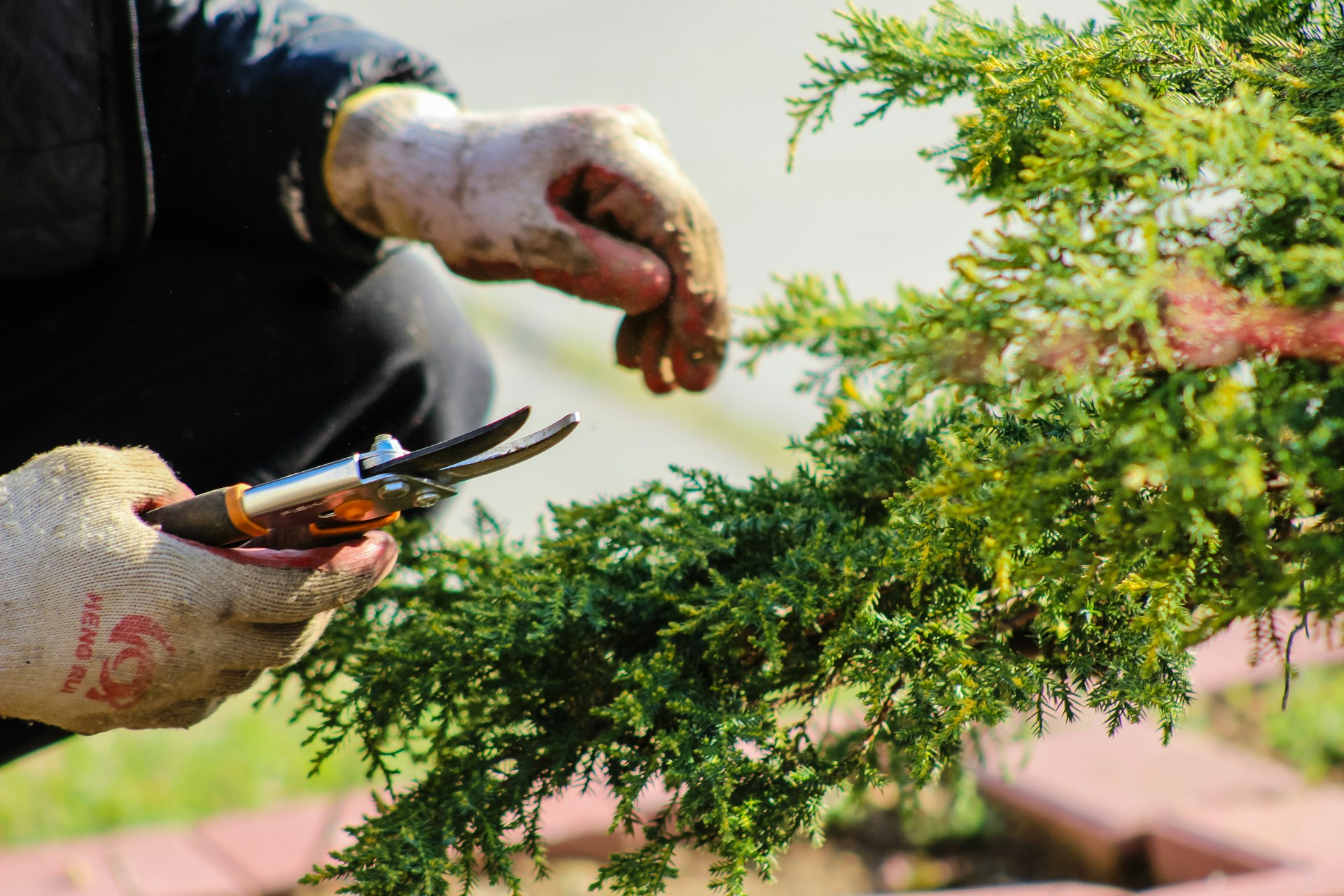
A well-maintained garden rarely happens by accident. Behind healthy beds, clean edges, and productive planting areas is a collection of Garden Tools that need regular inspection just as much as the plants do. Pruners develop dull edges, mower blades collect debris, batteries sit unused, and handles loosen gradually often without obvious warning.
A seasonal maintenance calendar turns those small problems into manageable tasks. Instead of waiting for a tool to fail in the middle of a busy weekend, gardeners can inspect equipment before seasonal workloads increase. For a broad selection of modern lawn and outdoor equipment, Garden Tools can be organized around the jobs they perform, then maintained according to how frequently those jobs occur.
The most effective approach is not simply to clean everything once a year. It is to inspect tools at four key transition points: before spring growth, during summer use, before fall cleanup, and ahead of winter storage.
Spring Maintenance: Prepare Garden Tools Before Growth Accelerates
Spring is the best time for a complete baseline inspection because many tools are about to move from storage into frequent use.
Start with hand tools. Check pruning shears, loppers, trowels, cultivators, hoes, and spades for rust, damaged edges, loose fasteners, and cracked handles. Sharpen cutting tools before the first major pruning session rather than after they begin tearing plant tissue.
Power equipment deserves the same attention. Inspect mower decks, trimmer heads, blower tubes, hedge-trimmer blades, and other working components for accumulated debris or damage. For cordless equipment, examine battery contacts and make sure batteries and chargers are clean and free from visible damage.
Spring is also an appropriate time to clean and disinfect tools. University of Minnesota Extension recommends cleaning tools before use, after working with diseased plants, and again during seasonal storage because soil and plant debris can carry pathogens. (University of Minnesota Extension)
Check Cutting Edges Before They Become a Problem
A sharp blade generally requires less effort than a dull one. Inspect pruners and mower blades for nicks, uneven wear, or excessive rounding.
If a cutting edge has significant damage, replacement may be more appropriate than repeated sharpening. Always follow the manufacturer’s instructions for sharpening, blade removal, and reinstallation.
Early Summer: Inspect Tools as Workloads Increase
By early summer, maintenance shifts from preparation to monitoring. Tools are likely being used more frequently, so wear can develop quickly.
Inspect string-trimmer line, mower blades, hedge-trimmer teeth, and pruning equipment regularly. Grass clippings and sap can accumulate around moving or cutting components, while loose fasteners may become noticeable only after several hours of operation.
A useful rule is to perform a quick visual inspection every few uses and a more detailed inspection once a month during heavy-use periods.
Pay Attention to Batteries and Electrical Components
Cordless garden equipment introduces a maintenance category that traditional gas-powered tools did not require in quite the same way: battery care.
Keep battery contacts clean and dry, inspect housings for visible damage, and use only chargers and batteries approved for the equipment. Avoid storing batteries in locations exposed to excessive heat or moisture.
Do not assume that an electric tool requires no maintenance simply because it does not use gasoline or engine oil. Greenworks’ current outdoor equipment lineup includes cordless mowers, blowers, string trimmers, chainsaws, hedge trimmers, and other battery-powered equipment, making battery and electrical-component inspections an important part of a seasonal routine. (Greenworks Tools)
Midseason Maintenance: Match Inspection Frequency to Tool Usage
Not every garden tool needs the same maintenance schedule. Frequency of use is often a better guide than the calendar alone.
For example, a homeowner who trims shrubs once a month may only need to inspect hedge-trimmer components periodically. Someone maintaining several acres or routinely pruning trees may need to check the same equipment much more often.
A simple maintenance classification helps:
- High-use tools: Inspect after several uses and perform detailed maintenance monthly.
- Moderate-use tools: Inspect monthly during active seasons.
- Occasional tools: Inspect before each major use.
- Stored tools: Inspect before storage and again before returning them to service.
This approach prevents both extremes: neglecting equipment and wasting time maintaining tools that have barely been used.
Fall Maintenance: Clean Equipment Before Seasonal Storage
Fall is more than a cleanup season. It is the point when many tools transition from frequent use to extended storage.
Remove grass, leaves, soil, and plant residue from equipment before putting it away. For hand tools, wash away visible dirt, dry metal surfaces thoroughly, and address early rust before it spreads.
University of Minnesota Extension specifically recommends cleaning and disinfecting gardening tools in the fall before winter storage, or in spring if that maintenance was missed. (University of Minnesota Extension)
Give Mowers, Trimmers, and Blowers a Deeper Inspection
Seasonal storage is an ideal opportunity to inspect components that are difficult to evaluate during routine yard work.
Check mower blades for damage and buildup. Examine trimmer heads and guards. Clear debris from blower tubes and air pathways according to the equipment’s manual. Look for cracked housings, loose hardware, worn wheels, or damaged cords.
For equipment with replaceable components, record what needs attention while the problem is fresh. A short maintenance list can prevent the familiar spring problem of discovering several worn parts on the first weekend of the season.
Winter Storage: Protect Tools From Moisture, Heat, and Neglect
Proper storage is itself a maintenance task.
Garden tools should generally be stored clean and dry, preferably off damp floors and away from conditions that encourage corrosion. Hand tools benefit from organized storage that keeps blades protected and prevents handles from being knocked or bent.
For battery-powered equipment, follow the specific manufacturer’s storage and charging instructions rather than relying on generic assumptions. Greenworks provides product manuals, FAQs, replacement-part information, and support resources through its customer support hub.
The goal is simple: equipment should be stored in a condition that allows it to return to service without a long repair session.
Garden Tools: Which Ones Need the Most Frequent Attention?
A practical maintenance calendar should prioritize tools according to their workload and mechanical complexity.
| Tool type | Inspect most closely | Typical timing |
| Pruners and loppers | Blade sharpness, rust, pivot | Before and during pruning |
| Lawn mower | Blade, deck, wheels, debris | Before season and monthly |
| String trimmer | Line, head, guard | Every few uses |
| Hedge trimmer | Blade condition, debris | Monthly during use |
| Blower | Tube, housing, debris | Every few uses |
| Shovel/spade | Edge, shaft, handle | Seasonally |
| Battery equipment | Battery, contacts, housing | Before use and storage |
This comparison also highlights an important distinction: high-frequency inspection does not always mean complex maintenance. A trimmer may need a quick check every few uses, while a shovel might only need a detailed inspection twice a year.
Common Garden Tool Maintenance Mistakes to Avoid
Several habits consistently shorten equipment life.
Putting dirty tools away: Soil and plant residue retain moisture and can contribute to corrosion or disease transmission.
Sharpening without checking damage: A severely nicked or compromised component may need replacement rather than repeated sharpening.
Ignoring handles: Wooden and composite handles can loosen, crack, or deteriorate even when the working end looks fine.
Treating batteries as maintenance-free: Batteries and charging equipment should still be inspected for damage and stored according to manufacturer guidance.
Waiting until spring: Seasonal storage is part of next season’s preparation. Equipment that enters storage dirty or damaged usually comes out the same way.
A Simple Seasonal Garden Tool Maintenance Routine
For gardeners who want a straightforward system, use this four-step cycle:
- Spring: Clean, inspect, sharpen, test, and replace damaged components.
- Summer: Monitor high-use equipment and remove debris regularly.
- Fall: Deep-clean equipment, disinfect appropriate tools, and identify repairs.
- Winter: Store tools clean and dry while following manufacturer-specific storage instructions.
The process becomes much easier when maintenance is tied to an existing gardening routine. Five minutes after finishing a major job can prevent an hour of troubleshooting later.
FAQ About Seasonal Garden Tool Maintenance
How often should garden tools be cleaned?
Clean tools whenever visible soil, sap, grass, or plant residue accumulates. Disinfect them when moving between plants where disease transmission is a concern, and always clean them before extended seasonal storage.
When should garden tools be sharpened?
Sharpen cutting tools when they begin producing poor cuts, require noticeably more effort, or show a rounded edge. Seasonal sharpening is a useful baseline, but heavily used tools may require attention more frequently.
Should battery-powered garden tools be maintained differently?
Yes. In addition to cleaning the tool itself, inspect batteries, contacts, chargers, housings, and other electrical components. Follow the specific manufacturer’s storage and charging recommendations.
What should be done before storing garden tools for winter?
Remove dirt and plant debris, dry metal surfaces, inspect for damage, address rust, protect appropriate metal components, and store equipment in a clean, dry location. Battery-powered equipment should be stored according to its manufacturer’s instructions.
Is seasonal maintenance enough?
Not always. Seasonal inspections provide a useful framework, but frequently used equipment should also receive periodic checks throughout the active gardening season. Usage, workload, weather, and the type of tool all affect maintenance intervals.
Build a Calendar, Not a Crisis
The most useful garden maintenance system is one that catches problems before they interrupt the work. A dull blade, loose handle, dirty tool, or neglected battery may seem minor individually, but small issues become expensive and inconvenient when they accumulate.
Treat spring, summer, fall, and winter as checkpoints rather than rigid deadlines. Match inspection frequency to actual usage, follow equipment-specific instructions, and keep tools clean between jobs. That simple rhythm keeps garden equipment ready for the work it was designed to do and makes the start of each growing season considerably less complicated.