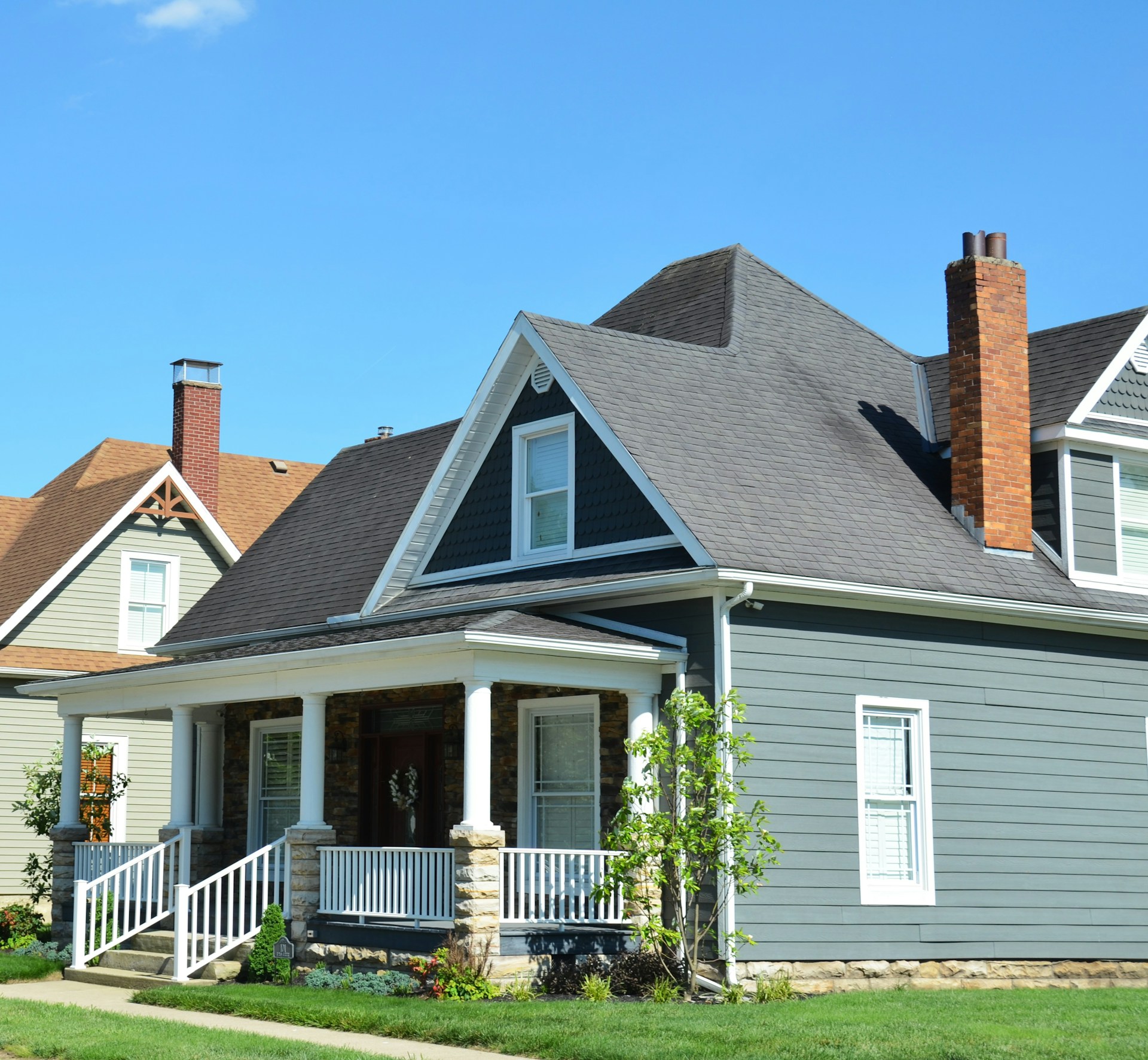
Deciding whether a roof needs a repair or a complete replacement is not always straightforward. A few damaged shingles, a small leak, or aging materials may look concerning without necessarily indicating that the entire roofing system has reached the end of its useful life. On the other hand, repeatedly repairing an older roof can sometimes postpone a larger problem rather than solve it.
Understanding the condition of the roofing materials, the extent of the damage, and the roof’s age can help homeowners make a more informed decision.
Start With the Age of the Roof
Age is one of the first factors worth considering. Roofing materials have different expected service lives, and their condition can vary depending on installation quality, ventilation, weather exposure, and maintenance.
An older asphalt-shingle roof that has begun showing several types of deterioration may be a stronger candidate for replacement than a relatively new roof with isolated damage. Age alone, however, should not determine the decision. A well-maintained roof can sometimes continue performing effectively beyond its typical service period.
Consider How Extensive the Damage Is
The size and distribution of the damage often provide a better indication of the appropriate solution.
If wind damages a small number of shingles or a localized section of flashing, repairing that area may be sufficient. The same approach may work for a minor leak caused by a specific penetration or damaged roofing component.
Widespread cracking, curling, missing shingles, or deterioration across multiple roof sections presents a different situation. When damage is extensive, replacing individual components may become less practical and may not provide the long-term reliability homeowners expect.
Look for Recurring Leaks
One isolated leak does not automatically mean a roof needs to be replaced. If the source can be identified and the surrounding roofing materials remain sound, a targeted repair may resolve the issue.
Repeated leaks are more concerning, particularly when they occur in different locations or return after previous repairs. Recurring moisture problems can indicate that the roofing system is deteriorating more broadly or that underlying decking and flashing require attention.
Interior evidence such as ceiling stains, peeling paint, damp insulation, or musty odors should also be taken seriously. A leak may travel along structural components before becoming visible inside the home.
Examine Shingle Condition
Shingles provide useful visual clues about the overall condition of an asphalt roof. Look for widespread granule loss, curling edges, cracking, blistering, or bald areas where the protective surface has worn away.
A few damaged shingles can often be replaced without disturbing the rest of the roof. When similar deterioration is visible across large sections, however, the issue may reflect normal material aging rather than isolated damage.
The roof’s exposure also matters. Sections receiving significant sunlight or facing prevailing weather can deteriorate differently from more protected areas.
Check the Roof Deck and Structure
Surface materials are only part of a roofing system. The condition of the decking and supporting structure can significantly influence whether repair remains practical.
Soft or deteriorated decking, persistent moisture damage, or visible sagging may indicate problems beneath the shingles. These issues require more than simply replacing the exterior covering.
A professional inspection can help determine whether damage is confined to roofing materials or extends into the underlying structure.
Compare the Cost of Repeated Repairs
Cost should be considered alongside condition rather than by itself. A relatively inexpensive repair can make sense when the roof is otherwise performing well. But if an aging roof requires frequent repairs, the cumulative expense may eventually approach the cost of replacement.
Homeowners should also consider the likelihood of additional work being needed in the near future. Repairing one section today may not be a practical long-term solution if several other areas are already showing significant deterioration.
When Is Repair the Better Choice?
Repair is generally more appropriate when damage is localized, the underlying roof structure remains sound, and most roofing materials are still in good condition.
For homeowners evaluating Salt Lake City roof repair, a professional assessment can help identify whether a specific problem can be addressed without replacing the entire roof.
When Replacement Makes More Sense
Replacement becomes more reasonable when deterioration is widespread, the roof is near the end of its expected service life, structural problems are present, or leaks and repairs have become recurring concerns.
A replacement may involve a greater initial expense, but it can address multiple underlying issues at once rather than treating symptoms individually.
Get an Evaluation Before Making the Decision
The choice between repair and replacement should be based on the actual condition of the roof, not simply its appearance or age. A thorough evaluation can identify damaged materials, moisture intrusion, structural concerns, and areas that may become problematic later.
For homeowners, the goal is not necessarily to choose the more extensive option. It is to choose the solution that appropriately addresses the condition of the roofing system and provides a reasonable balance between immediate needs, long-term performance, and cost.