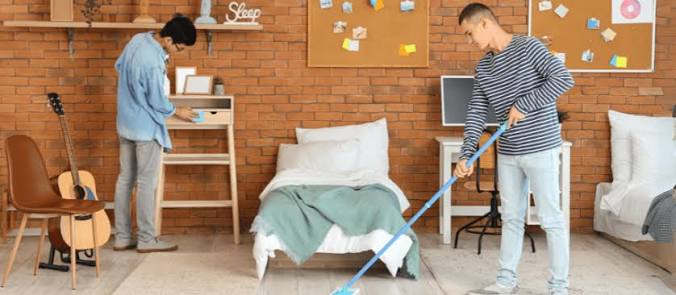
The final weeks of a college semester can turn a reasonably tidy apartment into a space that feels difficult to manage. Between exams, assignments, part-time jobs, and changing class schedules, everyday cleaning often becomes less important than getting enough sleep or finishing coursework. Dishes accumulate in the kitchen, bathroom surfaces develop residue, and textbooks compete with laundry for space on desks and chairs.
Once exams are over, cleaning everything at once may seem like the obvious solution. However, a student apartment often has several different problems developing together, and each requires a slightly different approach. Some students consider apartment cleaning services when the workload becomes difficult to handle, but understanding how to restore neglected spaces can make the process easier regardless of who completes the cleaning.
Why Student Apartments Become Harder to Maintain During Exams
Academic pressure changes how people use their living spaces. Students may spend longer hours studying in bedrooms, eat quick meals at irregular times, and postpone chores that would normally take only a few minutes.
These small delays gradually create larger cleaning problems. A coffee cup left on a desk becomes several cups by the end of the week. Food packaging collects around study areas, and kitchen counters become crowded with appliances, dishes, and groceries.
Shared apartments can develop these problems even faster because roommates may follow different examination schedules. One person may finish classes early while another still has several important deadlines approaching.
Without clear communication, nobody wants to interrupt someone else’s study time by vacuuming, reorganizing shared cupboards, or asking them to handle household responsibilities.
The challenge is not necessarily a lack of effort. During demanding academic periods, students often make short-term decisions that allow them to focus on immediate responsibilities.
Restoring the apartment becomes easier when the work is treated as a manageable household task rather than punishment for everything that was postponed during the semester.
Start With the Kitchen Before Tackling Personal Clutter
The kitchen deserves early attention because neglected food residue can affect hygiene and attract pests.
During busy weeks, students may rely on takeout meals, quick snacks, and food that can be prepared in minutes. This often leaves packaging, crumbs, and dishes scattered across counters and tables.
Begin by removing ordinary rubbish and checking for spoiled food. Refrigerator shelves should be inspected for leaking containers, forgotten leftovers, and expired ingredients.
Food waste should be discarded appropriately, while reusable containers and dishes need washing before being returned to storage.
Once the countertops are clear, clean them using products suitable for their materials. Areas used to prepare food may need sanitizing after cleaning, particularly if they have been contaminated.
The microwave often needs attention because repeated heating can leave dried food splashes on interior surfaces. Removable components should be cleaned according to the appliance manufacturer’s instructions.
Stovetops may contain cooking grease that has gradually collected around burners and control areas. Avoid abrasive tools or excessive liquid near electrical components.
Students living in shared apartments should also check cabinet handles, the sink, and accessible areas around small appliances.
Kitchen priorities are worth sorting out before any detailed cleaning begins, whether the roommates do the work themselves or arrange it through Ascend Cleaning. A countertop covered with ordinary clutter needs clearing first, while grease and food residue call for actual surface cleaning.
Finishing the kitchen first also gives everyone a clean place to prepare meals while the rest of the apartment is being restored.
Bathroom Buildup Often Develops Gradually
Bathrooms may receive less attention during examination periods because their surfaces do not always appear dirty immediately.
Soap residue develops slowly along shower walls, mineral deposits form around faucets, and moisture can remain around tubs and sinks.
In shared bathrooms, these conditions may become more noticeable because several people use the same fixtures throughout the day.
Begin by removing empty product containers and unnecessary belongings from accessible surfaces. This makes it easier to see where residue has accumulated.
Clean the sink, toilet, shower, and bathtub using products appropriate for the material. Natural stone, coated glass, glazed tile, and plated fixtures may have different care requirements.
Avoid mixing cleaning chemicals or using harsh products without checking the manufacturer’s instructions.
Ventilation is another important consideration. Wet towels left in a pile can develop unpleasant odors, while persistent bathroom humidity may encourage mildew.
Students should use available exhaust fans and allow shower curtains, towels, and bath mats to dry between uses.
If grout is cracked, caulk has separated, or moisture appears behind fixtures, the issue may require attention from the landlord or property manager.
Cleaning can improve the appearance of suitable surfaces, but it cannot repair damaged materials or correct an ongoing leak.
Study Areas Need More Than a Quick Desk Wipe
A student’s bedroom often serves several purposes. It may be a sleeping area, study space, dining spot, and storage room within the same limited square footage.
By the end of a semester, desks may hold notebooks, chargers, stationery, food wrappers, and empty drink containers. Dust settles around these objects, making normal surface cleaning difficult.
Instead of moving everything into a large pile, organize belongings into smaller groups. Academic materials can be sorted separately from personal items, while rubbish should be removed immediately.
Once the desk is accessible, wipe suitable surfaces using an appropriate cloth and cleaning product. Electronic equipment requires manufacturer-approved methods, and liquid should never be sprayed directly into keyboards, outlets, or other sensitive components.
Bookshelves and window ledges may also hold settled dust. These spaces are often overlooked because students concentrate on keeping their immediate workspace usable.
Bedding deserves attention as well. Sheets and pillowcases should be laundered regularly, particularly after weeks when normal routines have been disrupted.
Vacuuming or sweeping the bedroom floor can remove crumbs, hair, and particles that accumulate around desks and beds.
A cleaner working through Ascend Cleaning may be able to address agreed room-cleaning tasks, but sorting academic papers, personal electronics, and valuable belongings is best handled by the student. Keeping those responsibilities separate protects personal items and leaves accessible surfaces ready for proper cleaning.
Shared Responsibilities Become More Important After Exams
In a shared apartment, cleaning can become a source of disagreement when roommates have different expectations.
One person may consider the apartment acceptable once visible rubbish is removed, while another may want the kitchen, bathrooms, and floors thoroughly cleaned before the next semester.
Rather than debating which roommate contributed the most mess, it helps to identify the tasks that affect everyone.
Shared kitchens, bathrooms, entrances, and living spaces usually deserve collective attention. Personal bedrooms can remain individual responsibilities unless specific property conditions require otherwise.
A practical conversation should focus on what needs to be completed and when people are available.
Some roommates may have finished their examinations while others are still studying. Expecting everyone to follow the same cleaning timetable may create unnecessary tension.
It is often more effective to divide responsibilities according to availability and the amount of work involved.
When roommates decide to use apartment cleaning services, they should still agree on removing personal clutter and managing dishes, laundry, and belongings beforehand. Those everyday responsibilities do not disappear simply because shared surfaces receive professional attention.
Clear expectations can also prevent the apartment from returning to the same condition shortly after cleaning.
Protect Rental Surfaces While Removing Stubborn Dirt
Student apartments frequently contain materials selected for durability and easy maintenance, but they can still be damaged by inappropriate cleaning methods.
Laminate countertops may scratch when abrasive pads are used. Painted walls can lose their finish after aggressive rubbing, and excessive water can damage certain flooring seams.
Students sometimes attempt to remove stubborn marks with the strongest available cleaner, particularly when they are worried about a future property inspection.
This approach can create more damage than the original residue.
Begin with a cleaning method suitable for the material, and test unfamiliar products in an inconspicuous area when appropriate.
A mark that does not respond to gentle cleaning may be caused by wear, discoloration, or damage rather than removable dirt.
Carpet stains also require careful treatment. Repeated rubbing can spread residue or affect fibers, while excessive moisture may leave padding damp.
If a stain is persistent or its cause is uncertain, avoid experimenting with several different products.
Students should also document existing property damage and notify their landlord or property manager when repairs are needed.
Ordinary cleaning and property maintenance serve different purposes, and understanding that difference helps avoid unnecessary disputes.
Make the Next Semester Easier to Manage
Once the apartment is clean, the goal should be preventing the same buildup during the next busy academic period.
A realistic routine does not require hours of cleaning every evening. Small tasks completed consistently can keep shared spaces usable even when coursework becomes demanding.
Kitchen spills should be addressed when they happen, food waste should not be allowed to accumulate, and dishes need a routine that works for the household.
Bathrooms benefit from regular surface cleaning and adequate drying time. Bedrooms become easier to maintain when desks and floors are not constantly covered with unnecessary belongings.
Students can also adjust expectations during examination weeks. Instead of trying to complete every household task, they can prioritize hygiene and basic organization until their schedules become less demanding.
The standard and detailed residential cleaning categories associated with Ascend Cleaning reflect a useful difference in household maintenance: ordinary upkeep handles recurring dirt, while more intensive attention may be needed after residue has accumulated for an extended period.
For students considering apartment cleaning services after a particularly demanding semester, the apartment’s condition should determine the work required. Heavy kitchen grease, neglected bathroom residue, and ordinary dust do not necessarily need identical treatment.
The more sustainable approach is to address accumulated problems first, then maintain the improved condition through manageable habits.
Final Thoughts
A student apartment can become difficult to maintain during a busy semester because academic responsibilities change how people use their living spaces. Kitchens experience irregular meals, bathrooms receive less frequent attention, and bedrooms become crowded with study materials and everyday belongings.
Restoring the apartment works best when students begin with food waste and shared hygiene concerns, then move toward bathrooms, study areas, and floors. Cleaning products should match the surfaces being treated, and damaged materials should be reported rather than aggressively scrubbed.
A clean apartment does not require a perfect routine. Once the accumulated work is finished, a few consistent habits and clear roommate responsibilities can make the next examination period easier to manage without allowing ordinary household mess to become overwhelming.